Archbishop says attacks on Christians tripled in 2003-2010
By Bridget Kelly, Catholic News Service
March 5, 2012
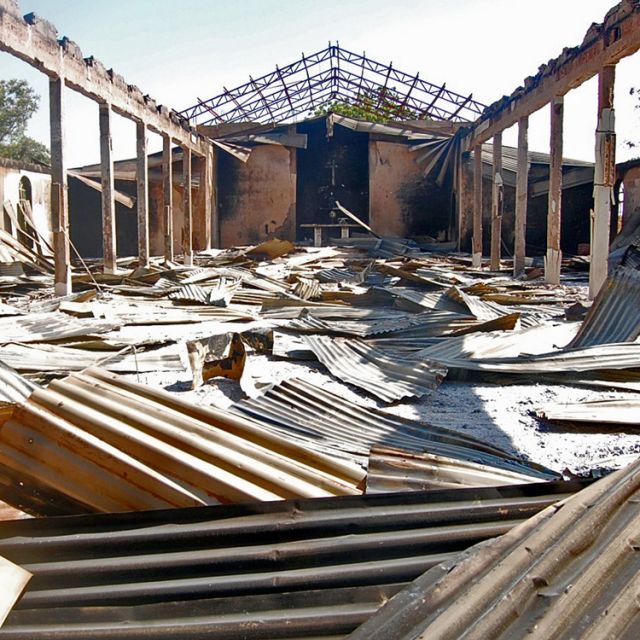
VATICAN CITY - Terrorist attacks on Christians in Africa, the Middle East and Asia tripled in a seven-year period, a Vatican official told a U.N. meeting.
Archbishop Silvano M. Tomasi, the Holy See's permanent observer to U.N. offices in Geneva, told the U.N. Human Rights Council that while Christians are not the only victims, attacks on them in Africa, the Middle East, and Asia "increased 309 percent between 2003 and 2010." He did not offer any specific numbers.
"Approximately 70 percent of the world's population lives in countries with high restrictions on religious beliefs and practices, and religious minorities pay the highest price. In general, rising restrictions on religion affect more than 2.2 billion people," the archbishop told the council members March 1.
The archbishop denounced "intolerance that leads to violence and to the killing of many innocent people each year simply because of their religious convictions."
In some countries, which the archbishop did not name, religious freedom is threatened by "government-imposed and unjust restrictions."
Yet religious freedom is a fundamental and inalienable right, which can foster a healthy cooperation and spirit of shared responsibility among believers of different religions, he said.
Education and the media are two powerful tools for promoting respect for religions and for religious freedom, he said. Unfortunately, many countries where there is a lack of religious freedom or outright persecution have weak schools and weak media because of underdevelopment, poverty or a restricted access to information.
The archbishop also said the international community can prevent future violence by promoting and protecting the human rights of everyone.
The international community must work, "to sustain mutual tolerance and respect of human rights and a greater equality among citizens of different religions in order to achieve a healthy democracy where the public role of religion and the distinction between religious and temporal spheres are recognized," Archbishop Tomasi said.