58 Haitian families housed in first phase of D&P housing project
February 18, 2013
There are 58 Haitian families in earthquake-proof homes thanks to a Canadian Catholic Organization for Development and Peace project that has introduced new building technology to the Caribbean nation.
On Feb. 5 front door keys and title deeds were handed over for 58 houses in Ti-Boucan, 20 km from Port-au-Prince and very close to the epicentre of the 2010 earthquake that killed more than 300,000 Haitians and left approximately one million homeless.
The D&P project in Ti-Boucan will eventually build 400 houses to house 1,700 people. The construction uses the Habitech International Building System developed by the civil engineering faculty of the Asian Institute of Technology. The earthquake-proof building technique has been used in Asia and Africa using local materials.
People displaced by the earthquake, many living in tents where their homes used to be, have been employed working on house construction and in a plant where Habitech building materials are manufactured. The project has created 600 direct jobs.
“This project is about empowerment,” said D&P communications staffer Khoudia Ndiaye, who was in Haiti for the hand over of homes to residents. “The people who were waiting for a house were also contributing to those houses.”
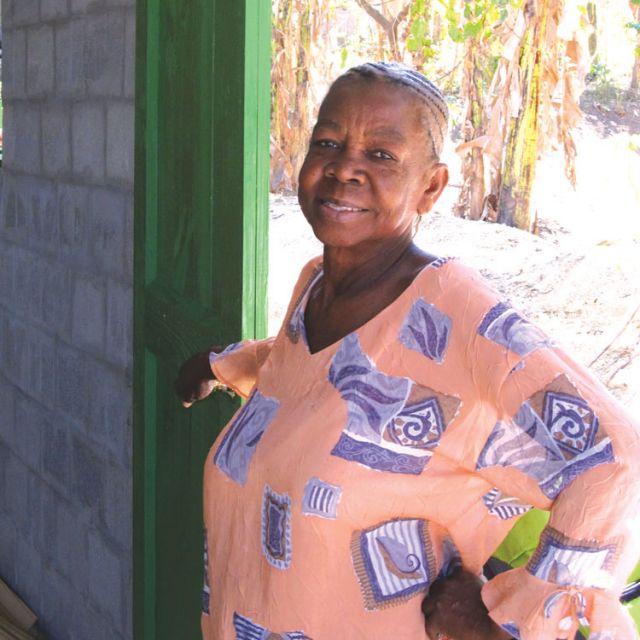
D&P partners working with Haitian authorities chose the most vulnerable families to receive the first homes — widows, the elderly, female-led households. It’s a plan that the whole community supports, said Ndiaye.
“They’ve been very touched by what happened three years ago. They are emotionally wounded still, but they wanted to build the new houses where they lived before,” she said. “They didn’t want to move to some artificial village, or anything like that. They really wanted to live in Ti-Boucan, where they’ve always lived.”