Bonhoeffer’s conscience condemned him to a martyrs’ death
By Ian Hunter
November 6, 2014
Guest Columnists
Dietrich Bonhoeffer, a Lutheran pastor executed by the Nazis in the dying days of the Second World War, has been recognized (perhaps by Protestant more than Catholic theologians) as one of the leading Christian thinkers of the 20th century. He was that, but he was much more: visionary, prophet, spy and martyr.
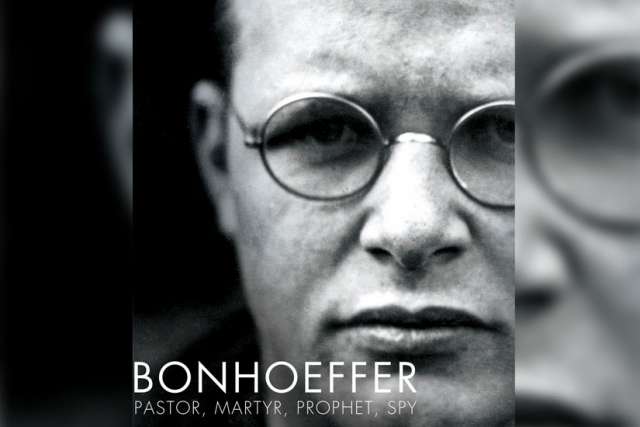
Since there were more martyrs to the Christian faith in the 20th century than in all previous centuries combined, and since the world adds to their numbers at an accelerating rate in this 21st century, Christians should examine carefully Bonhoeffer’s life and message. In the book Bonhoeffer: Pastor, Martyr, Prophet, Eric Metaxas explores all facets of this complex yet winsome man with care, passion and skill.
Born into an educated German family (Bonhoeffer’s father was a scientist; one of his brothers worked with Albert Einstein to split the atom), Dietrich was 13 when he made a conscious decision to choose religion over science, deciding to become a theologian, and was awarded a doctoral degree at the callow age of 21. In 1924, while in Rome with his brother, Dietrich was granted an audience with Pope Pius XI and found himself overwhelmed by the beauty and antiquity of the Vatican. But he decided to remain a Protestant.
Guest Columnists