Mary Wagner sees the people despite the crowd
By Dorothy Cummings McLean
March 12, 2015
Dorothy Cummings McLean
On a frozen afternoon in February, I visited Mary Wagner in the Vanier Centre for Women. The prison is a long, low building in Milton, Ont., and its waiting room for visitors is surprisingly pleasant. It has a clean, cream-tiled floor, cream-painted walls with blue-grey doors and trim and blue-green metal chairs locked together. A Coke machine and a snack machine glow from a corner. Large signs proclaim the centre “scent-free” and small signs ask visitors if they suffer from coughs or chest pains. A framed document extols the virtues of the warden.
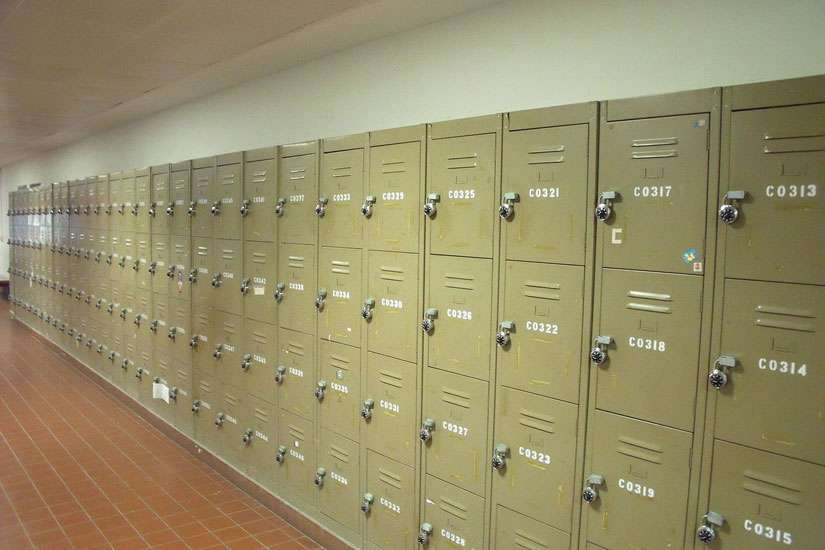
After showing ID to a female guard behind dark glass, I was directed to put my belongings in a locker. I hoped to bring pencil and paper into the visiting room, but the guard was adamant: I could bring nothing save my locker key. Disappointed, I comforted myself that if 90-year-old Eugenio Scalfari could write up an interview with Pope Francis from memory, surely I could remember my conversation with Mary.
A younger female guard saw me through the x-ray machine, and I walked through the cream-coloured corridor to the visiting room. This was divided into chambers, and when I reached the end, I saw a slim woman with delicate features and a dark pony-tail standing on the other side of the window. Despite her sombre green sweatshirt, she looked happy and fully alive. Even before the blue-grey phone receivers were buzzed into life, Mary began to thank me for my column about my own arrest, her voice muffled by the thick glass. I shouted back a reply, and Mary indicated that I should sit down and pick up the phone.
Dorothy Cummings McLean