Francis is a true transformational leader
By Robert Brehl
May 7, 2015
Robert Brehl
While reading through former Prime Minister Brian Mulroney’s convocation speech at St. Francis Xavier University in Nova Scotia on May 3, it was as if he was talking about a modern-day Pope Francis leadership style.
The 18th prime minister, a St. FX alumnus, devoted much of his speech to leadership. “Leaders must have vision and they must find the courage to fight for the policies that will give that vision life,” Mulroney told graduates. He also talked about how real leaders are “transforming” — not simply “transactional” — and they should place their principles above popularity and not be afraid to tell followers what they need to know instead of what they want to hear.
Whatever your political stripe or feelings towards the former prime minister, he knows a thing or two about leadership and his speech described Pope Francis to a tee without naming him.
After linking Mulroney’s speech to Francis, I decided to go out and look a little more closely at Francis’ leadership style. On various news web sites and inside books, such as best-seller The Francis Miracle: Inside the Transformation of the Pope and the Church by John L. Allen, I found five leadership lessons we can all learn from Francis.
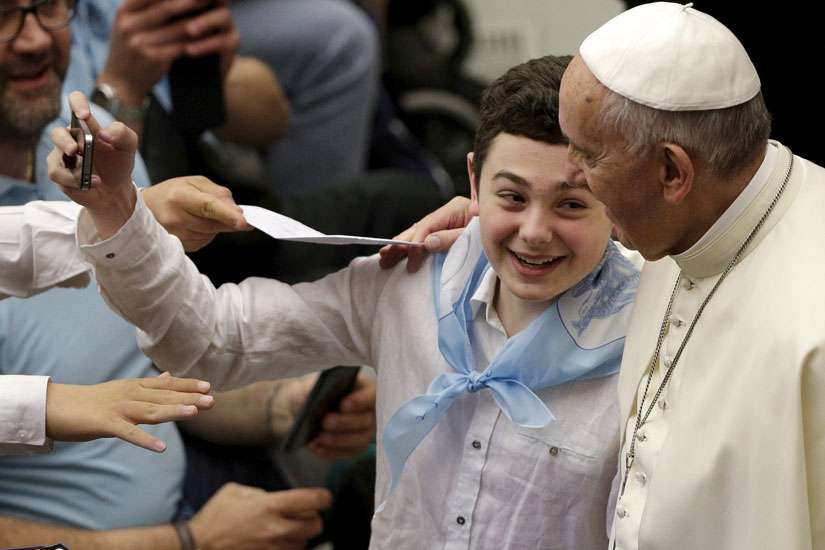
Be accessible, real and down to earth: In late April, Pope Francis telephoned an ailing Italian man to comfort him. He has a habit of calling people he’s heard are suffering and telling them, “Hello, I’m Pope Francis,” when they answer their phone. After two hang-ups figuring it was a crank call, Franco Rabuffi finally spoke with the Pope, who invited Rabuffi and his wife to his public audience in St. Peter’s Square where he hugged the two and assured them it really was him who called. There are a number of other ways Francis has proven he is “real,” such as shunning the palatial papal apartments to live with people, instead of in isolation and splendour.
Lead by example: Immediately after his election on March 13, 2013, Francis set his sights on reform of the Vatican Curia. As biographer Allen writes, Francis made financial reform a priority because it brought “together the three vices that distress him more than anything else: corruption, exaggerated clerical privilege and indifference to the poor.” Though popular outside the Vatican, this holds many potential land mines and Francis has been both gutsy and deft in how he is carrying it out.
Robert Brehl