Catholic commissions: EU must be more democratic to avoid breakup
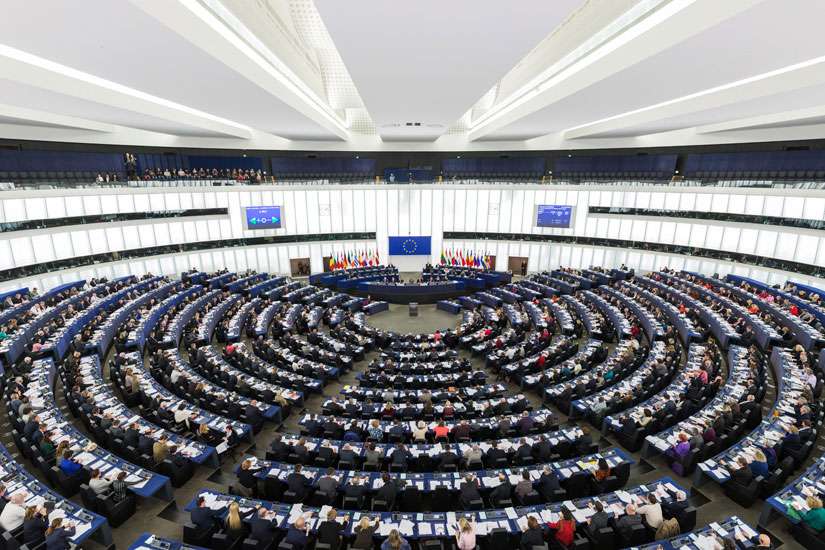
By Simon Caldwell, Catholic News Service
October 6, 2016
MANCHESTER, England – The European Union must be more democratic and less centralist if it is to avoid other disgruntled member states following the U.K. out of the bloc, Catholic justice and peace groups said.
The EU is in "bad shape" and needs urgent reform to avoid disintegration, said an Oct. 6 statement by the General Assembly of the Conference of European Justice and Peace Commissions.
The group, which represents 31 Catholic justice and peace commissions throughout Europe, said trust in the European Union project was waning and would not be restored simply by "declarations, road maps and speeches."
Instead, "substantial results" in the creation of jobs and security were required along with reforms that better recognized the national sovereignty of member states, said the statement, issued after an Oct. 3 meeting of the assembly.
The restoration of trust "will require more transparent and democratic procedures," the statement said. "It will necessitate more respect for national, regional and local traditions."
The statement said that "gloomy prophecies often predict the economic and demographic decline of Europe in the course of the 21st century." It added: "A possible breakup of the EU would certainly accelerate this process. Improving the EU and bringing it ever closer to its citizens are the best way to prevent it."
The U.K. government will activate Article 50 of the Lisbon Treaty by March 2017, triggering a two-year process that will make the country the first to leave the European Union.
This follows a June 23 referendum in which more than 17 million Britons voted for "Brexit," largely amid concerns of mass migration and diminishing security because of open borders.
Many voters were also motivated by a dislike of EU structures, which they held to be largely undemocratic and unaccountable and resistant to reform.