Neil MacCarthy: Heritage designations can bind church’s hands
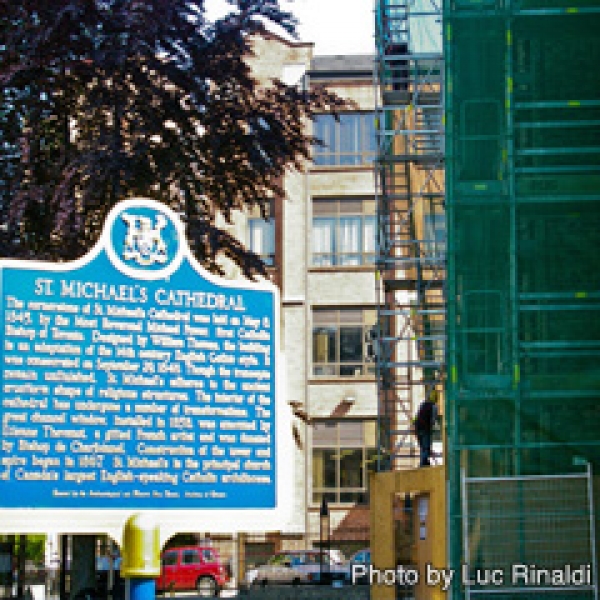
By Neil MacCarthy, Catholic Register Special
June 8, 2011
Guest Columns
The next time you’re faced with an overwhelming home renovation, consider this: collectively, the Catholic, Anglican and United Churches own 3,000 buildings in the province that require a combined $30 million to operate annually. Another $30 million is spent on maintaining “historic properties.” That’s a lot of shingles.
Before there were town halls or schools, arenas or the local Tim Horton’s, parishes were the spiritual and community hubs of society, bringing people together to strengthen the neighbourhood. Over the years though, the role of the parish as community centre has changed, and so have the neighbourhoods they serve.
While many historic churches continue to thrive, others, sadly, are facing significant challenges, with little or no funds to maintain their facilities, often due to dwindling congregations. While desirable, maintaining all of these churches is just not feasible.
A “heritage designation” from various municipal governments has been applied to about 12 per cent of the 3,000 churches in Ontario.
Designated churches require permission from their municipality to change in any way the parts of the building that are considered culturally significant, often including pews, windows, altars and other parts of the building used for worship. So if the bishops, priests and laity agree it makes sense to renovate or (as a last resort) demolish a church that is no longer viable, they don’t have a legal right to implement that option.
In the archdiocese of Toronto, 100 years ago churches were predominantly constructed in the downtown core where the population was concentrated, with some churches just a few blocks from each other. Fast forward a century: most young families now settle in the suburbs. The result? An abundance of churches downtown while those in outlying regions find themselves hard pressed to accommodate increasing attendance.
The expense to maintain church buildings that are no longer viable siphons funds from other churches or ministries. Dioceses are simply not capable of financing the long-term preservation of historic buildings they no longer use. Until 2005, the Ontario Heritage Act allowed churches to make decisions about the use of their properties based solely on the needs of their congregations and those they served. However, changes to the act gave municipalities the authority to permanently block demolition or alteration of historic buildings.
Criteria for deciding whether a site should be designated under the Heritage Act are so general any church in Ontario could be said to meet them — a property just has to have “direct associations with a theme, event, belief, person, activity, organization or institution that is significant to a community.” City councils face no negative consequences if they designate a property with little or no historic value. Designation can even be used to block unpopular changes. One council in southwestern Ontario used the Heritage Act to designate a golf course that was proposed for redevelopment.To address this issue, the Ontario Ministry of Tourism and Culture has been collaborating over the last two years with a diverse interfaith group, gaining valuable input around the realities faced by religious communities. A draft guideline addressing issues around Historic Places of Worship can be accessed online at www.archtoronto.org/heritage. The Environmental Registry of the Ontario government is inviting comments from the public on the guidelines by June 19 before they are finalized. The hope is that the document will provide guidance on the conservation, protection, disposal and demolition of heritage properties built or adapted as places of worship in Ontario.
The ultimate goal is to keep places of worship alive and relevant while also supporting faith communities as they weigh difficult decisions on the conservation and stewardship of heritage places of worship.
(MacCarthy is the Director of Public Relations & Communications for the archdiocese of Toronto.)
Guest Columns