Libya response scrutinized
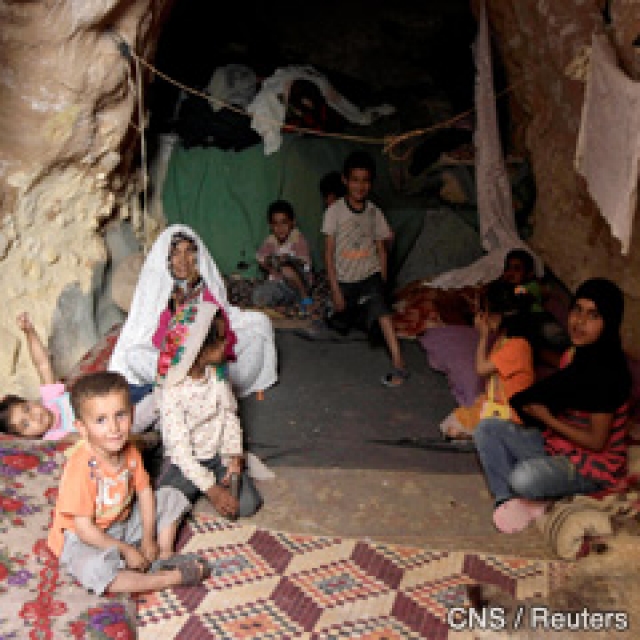
By Catholic News Service
June 8, 2011
WASHINGTON - NATO’s military campaign against Libyan leader Moammar Gadhafi is giving rise to concerns that the effort’s goals remain unclear and will likely lead to a lengthy standoff between the longtime autocrat and rebel forces with innocent civilians caught in the middle.
The concerns revolve around whether the campaign is meant primarily to protect the rebels and their civilian supporters from indiscriminate attacks by troops loyal to Gadhafi or to remove the Libyan leader in the hope that democratic reforms follow.
Guiding the discussion is a relatively new concept in international relations characterized as the responsibility to protect — R2P in diplomatic shorthand. The concept, based on ethical concerns, has evolved over the past 20 years following strife-ridden periods in Somalia and Bosnia-Herzegovina in which civilian casualties mounted during internal conflicts as the world stood by idly.
The response by NATO partners has exclusively encompassed military action, primarily the bombing of key military and strategic targets and maintaining a no-fly zone.
Bishop Howard Hubbard, chairman of the U.S. bishops’ Committee on International Justice and Peace, stressed in a letter to National Security Adviser Thomas Donilon that the U.S. must ensure the use of force is “proportionate to the goal of protecting civilians.”