Visitator to report Irish Church near collapse
By By Michael Kelly Catholic News Service
February 16, 2011
DUBLIN - Boston Cardinal Sean O’Malley reportedly will tell Pope Benedict XVI that the Catholic Church in Ireland is “on the edge” of collapse due to the fallout from clerical abuse scandals.
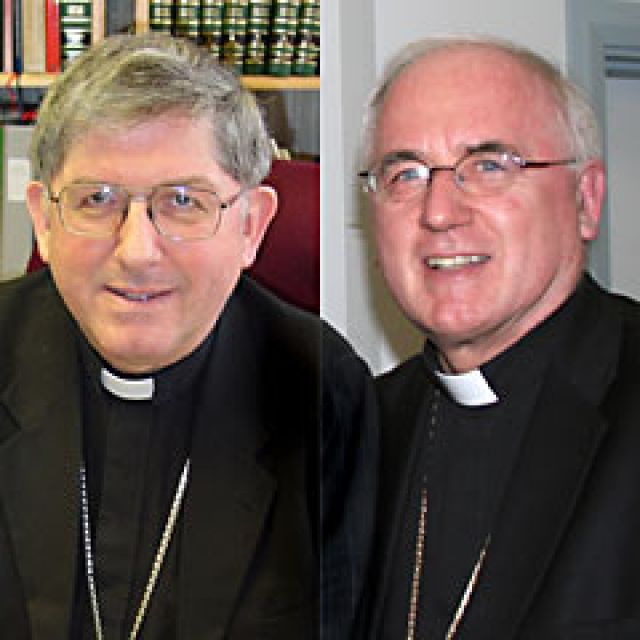
O’Malley is one of several senior prelates — including Toronto Archbishop Thomas Collins and Ottawa’s Archbishop Terrence Prendergast, S.J. — charged by Pope Benedict with carrying out an apostolic visitation of the Irish Catholic Church following a series of highly critical judicial reports that revealed abuse by priests and a widespread culture of cover-up for decades among Church leaders.
Fr. Tony Flannery, a leading member of the Association of Catholic Priests, revealed at a conference of laypeople Feb. 12 in the Irish capital that “Cardinal O’Malley told the association the Irish Church had a decade, at most, to avoid falling over the edge and becoming like other European countries where religion is marginal to society.”
Flannery said O’Malley gave a commitment to the priests’ association that he would deliver the frank assessment to the Pope in a confidential report to be submitted later this year.
Admitting to being previously skeptical about the apostolic visitation, Flannery said that in light of O’Malley’s undertaking, “there may be some gleam of hope.”
O’Malley could not be reached for comment. Spokespersons for Collins and Prendergast said the archbishops would not be commenting until the report is released. In a mid-November statement, the Vatican said it would issue a comprehensive summary of the investigations’ findings when they are completed.
Flannery said that while the association was ready to campaign for radical change, it was apprehensive that it would be viewed as “a new clericalism.” The association, which represents more than 400 of Ireland’s 4,500 priests, was formed in 2010. It has proposed a re-evaluation of the Church’s teaching on sexuality and the inclusion of women at every level of the Church.
The first phase of the visitation should be completed by Easter, and it is likely the visitators will meet with senior officials of the Roman Curia in the spring to discuss what Jesuit Father Federico Lombardi, the Vatican spokesman, described as the next phase of the “path to renewal.”